Ford F-150: The Industrial Heavyweight
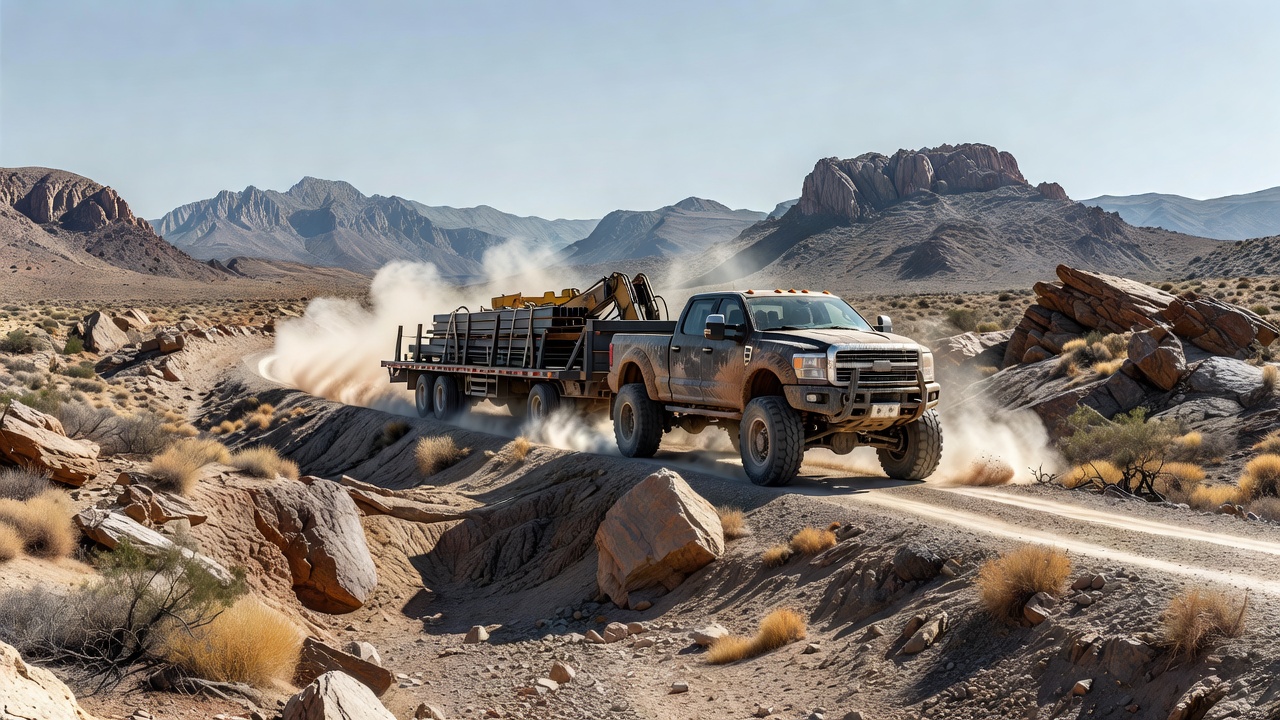
For decades, the Ford F-Series has retained the title of the best-selling vehicle in North America. This is not a product of mere brand loyalty; it is the result of continuous, aggressive innovation in a highly competitive segment. The F-150 bridges the gap between a utilitarian workhorse and a luxury family vehicle, offering an astonishing array of configurations to suit almost any commercial or personal requirement.
Structural Innovation: The Aluminum Era
A defining moment for the modern F-150 occurred when Ford replaced the traditional steel body panels with military-grade aluminum alloy. This massive industrial gamble paid off. The transition shed hundreds of pounds of curb weight, allowing Ford to reinvest that weight savings into a reinforced high-strength steel frame. The result was improved payload capacity, higher towing thresholds, and increased fuel efficiency without sacrificing structural integrity.
Powertrain Diversification
The days of relying solely on massive, naturally aspirated V8 engines are over. While the traditional 5.0L V8 remains available, Ford’s EcoBoost strategy has redefined truck performance. By utilizing twin-turbocharged V6 engines, the F-150 achieves V8-beating torque figures at much lower RPMs, which is critical for towing. Furthermore, Ford has expanded into hybrid territory with the PowerBoost powertrain, integrating an electric motor into the transmission. This not only improves efficiency but enables the onboard generator feature, allowing the truck to power job sites or homes during outages.
| Powertrain Family | Key Characteristic | Primary Use Case |
|---|---|---|
| EcoBoost V6 (2.7L & 3.5L) | High torque via twin-turbocharging | Heavy towing, general capability |
| Coyote 5.0L V8 | Linear power, traditional exhaust note | Purists, high-payload hauling |
| PowerBoost Hybrid | Integrated electrical generation | Job sites, remote power needs |
| Lightning (BEV) | Zero tailpipe emissions, massive storage | Urban logistics, tech-adopters |
Interior and Towing Technology
Modern F-150 cabins rival luxury sedans in their upper trim levels, featuring premium leather, massive infotainment screens, and advanced acoustic damping. However, it is the towing technology that truly separates it from historical trucks. Features like Pro Trailer Backup Assist allow drivers to steer a trailer using a dashboard dial, delegating the complex counter-steering calculations to the vehicle's computer systems. Onboard scales and smart hitch technology prevent dangerous overloading.
Pros and Cons
Pros:
- Class-leading towing and payload capacities across multiple configurations.
- Innovative features like the Pro Power Onboard generator.
- Aluminum body prevents traditional panel rust issues.
- Extensive trim hierarchy fits budgets from basic work trucks to ultra-luxury.
Cons:
- Large physical footprint makes urban parking and maneuvering difficult.
- Ride quality, while improved, still exhibits typical body-on-frame truck characteristics when unladen.
- Complex turbocharged and hybrid powertrains may present higher long-term repair costs than traditional V8s.
Verdict
The Ford F-150 is the multi-tool of the automotive world. By consistently pushing the boundaries of what a half-ton pickup can do—whether through material science, engine downsizing, or electrification—Ford has ensured that the F-150 remains the default answer for utility. It is a vehicle that genuinely shapes the economic infrastructure of its primary markets.