Porsche 911: The Iterative Masterpiece
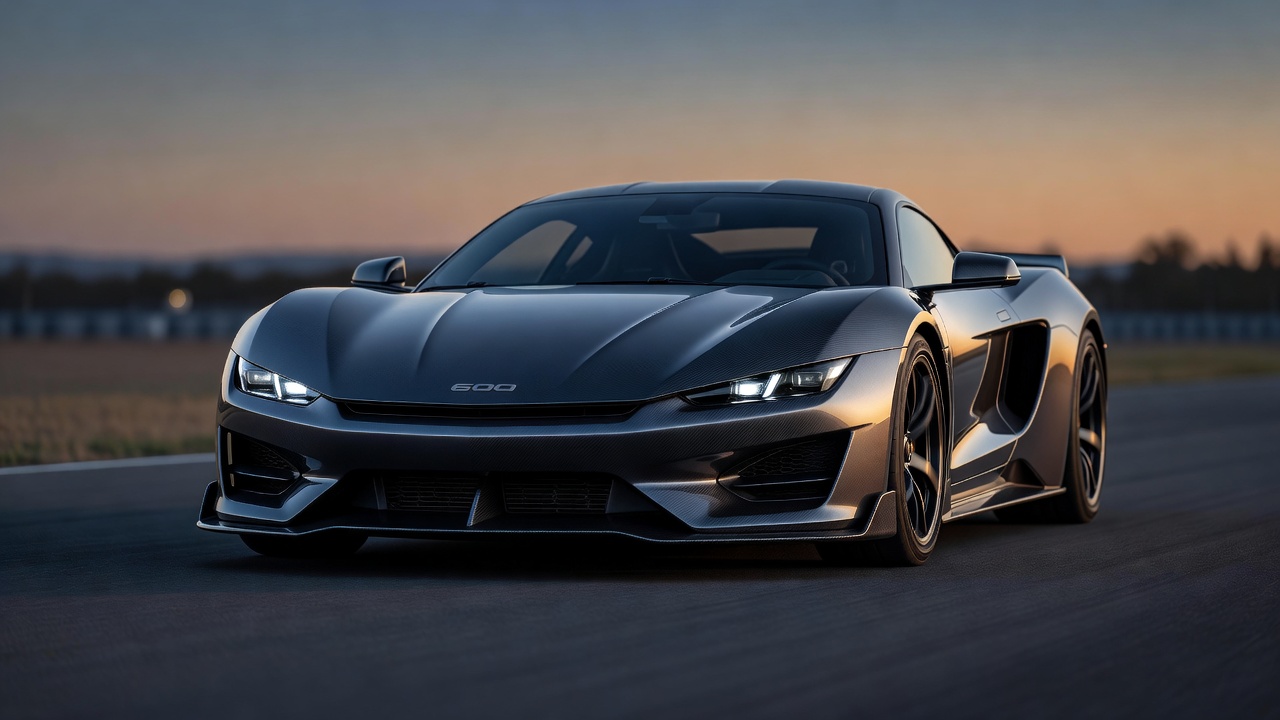
The Porsche 911 stands as a masterclass in iterative engineering. Rather than reinventing its architecture with every generation, Stuttgart has spent decades refining a fundamentally unconventional layout: mounting the engine behind the rear axle. The result is a vehicle that defines the global benchmark for sports cars, blending tactile feedback, immense mechanical grip, and surprising daily usability.
Historical Context and Evolution
Since its debut in 1964 as the successor to the Porsche 356, the 911 has continuously adapted to changing emissions, safety, and performance standards without losing its signature silhouette. The transition from air-cooled engines (culminating in the revered 993 generation) to water-cooled powerplants in the 996 generation sparked controversy among purists. However, this engineering necessity paved the way for horsepower figures that were previously unimaginable in a daily-drivable package.
The contemporary 911 utilizes advanced metallurgy, active aerodynamics, and sophisticated chassis management systems. The rear-engine bias, which originally produced notorious lift-off oversteer characteristics in early models, has been mathematically tamed by modern suspension geometry and rear-wheel steering.
Powertrain and Dynamics
At the heart of the 911 is the horizontally opposed "flat-six" engine. This configuration lowers the vehicle's center of gravity, which drastically improves lateral handling dynamics. While naturally aspirated engines were once standard across the lineup, tightening emissions regulations prompted a shift. Today, turbocharging is standard across the Carrera range, delivering robust low-end torque while maintaining a willingness to rev toward the redline.
| Category | Standard Configuration | Performance Highlights |
|---|---|---|
| Engine Layout | Rear-mounted, Flat-Six | Low center of gravity, distinct exhaust note |
| Induction | Twin-Turbocharged (Carrera) | High broad torque curve |
| Transmission | 8-speed PDK / 7-speed Manual | Lightning-fast dual-clutch shifts |
| Drivetrain | RWD or AWD | Exceptional traction out of corners |
Interior and Ergonomics
The cabin of a 911 is distinctively driver-focused. The instrument cluster retains a central analog tachometer—a nod to motorsport heritage—flanked by digital displays that provide navigation and vehicle telemetry. Ergonomically, the driving position is exceptional, placing the steering wheel, pedals, and shifter in perfect alignment. Unlike many mid-engine exotics, the 911 offers excellent outward visibility and a relatively spacious front trunk (frunk), cementing its status as a highly practical sports car.
Pros and Cons
Pros:
- Unmatched balance of performance and daily drivability.
- Exceptional build quality and highly customizable interior.
- The PDK dual-clutch transmission remains the industry standard.
- Strong historical depreciation resistance compared to rivals.
Cons:
- Pricing escalates rapidly with optional equipment.
- The rear seats are virtually unusable for adults.
- Exhaust notes in turbocharged Carrera models lack the character of older naturally aspirated generations.
Verdict
The Porsche 911 is not merely a car; it is an institution. Its enduring success proves that evolutionary refinement can produce a dynamically superior vehicle to revolutionary clean-sheet designs. For those seeking a sports car that can effortlessly transition from a cross-country tour to a weekend track day, the 911 remains the definitive answer.