Tesla Model 3: The Catalyst of Electrification
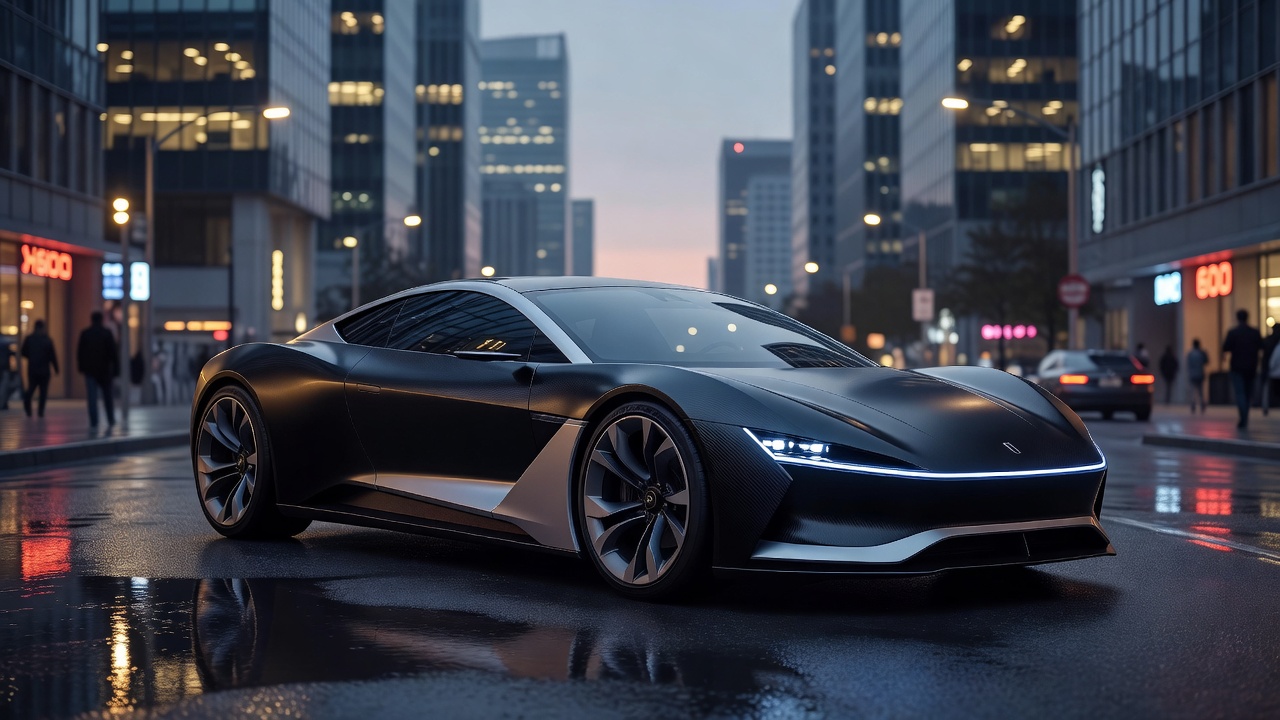
Few vehicles in automotive history can claim to have shifted the trajectory of the entire industry. The Tesla Model 3 achieved exactly that. By demonstrating that a pure electric vehicle (EV) could be produced at scale, priced competitively with internal combustion engine (ICE) luxury sedans, and offer superior performance, the Model 3 forced legacy automakers to accelerate their own electrification strategies.
Software-Defined Architecture
The Model 3 represents a fundamental shift in automotive design: it is a software-defined vehicle. Traditional cars rely on dozens of separate electronic control units (ECUs) built by various suppliers. Tesla centralizes computational power, allowing the vehicle's core functions—from motor output and battery thermal management to the infotainment interface—to be updated seamlessly via Over-The-Air (OTA) updates. This means a Model 3 can actively improve its range, charging speed, or feature set long after it leaves the factory floor.
Battery and Supercharger Network
Range anxiety remains a primary hurdle for EV adoption. Tesla combated this on two fronts. First, the Model 3 utilizes highly efficient battery chemistry and aerodynamic exterior styling to maximize range per kilowatt-hour. Second, and perhaps more crucially, Model 3 owners gain native access to the Tesla Supercharger network. This proprietary charging infrastructure is deeply integrated into the vehicle's navigation system, which automatically calculates charging stops, preconditions the battery upon approach, and facilitates plug-and-charge billing without external applications.
| System | Design Approach | Industry Impact |
|---|---|---|
| Interior | Ultra-minimalist, single central display | Reduced manufacturing complexity, polarizing user experience |
| Updates | Comprehensive Over-The-Air (OTA) | Vehicles gain functionality post-purchase |
| Infrastructure | Native Supercharger Integration | Eliminates third-party charging friction on road trips |
| Drivetrain | Single RWD or Dual-Motor AWD | Instant torque vectoring, high efficiency |
Driving Dynamics
Because the heavy battery pack is integrated into the floorpan, the Model 3 possesses an exceptionally low center of gravity. This translates to remarkably flat cornering and high lateral grip, akin to traditional sports sedans. The electric motors deliver instant torque, providing acceleration that easily outpaces similarly priced ICE competitors. The integration of robust regenerative braking allows for "one-pedal driving," where lifting off the accelerator slows the car significantly, returning kinetic energy to the battery.
Pros and Cons
Pros:
- Unparalleled integration with the reliable, high-speed Supercharger network.
- Exceptional energy efficiency and real-world range.
- Continuous improvements delivered via software updates.
- Instant torque and highly responsive handling.
Cons:
- The heavily reliant touchscreen interface requires drivers to take their eyes off the road for basic functions (e.g., wiper speed).
- Build quality and panel alignment consistency can vary compared to legacy luxury brands.
- Advanced driver-assistance systems are heavily marketed but require close driver supervision.
Verdict
The Tesla Model 3 proved that the transition away from fossil fuels did not require a compromise in performance, convenience, or styling. It is an imperfect vehicle, primarily regarding its polarizing minimalist ergonomics and manufacturing consistency, but its technological superiority in battery management and software integration remains the benchmark the rest of the industry is chasing.