Toyota Corolla: The Global Standard
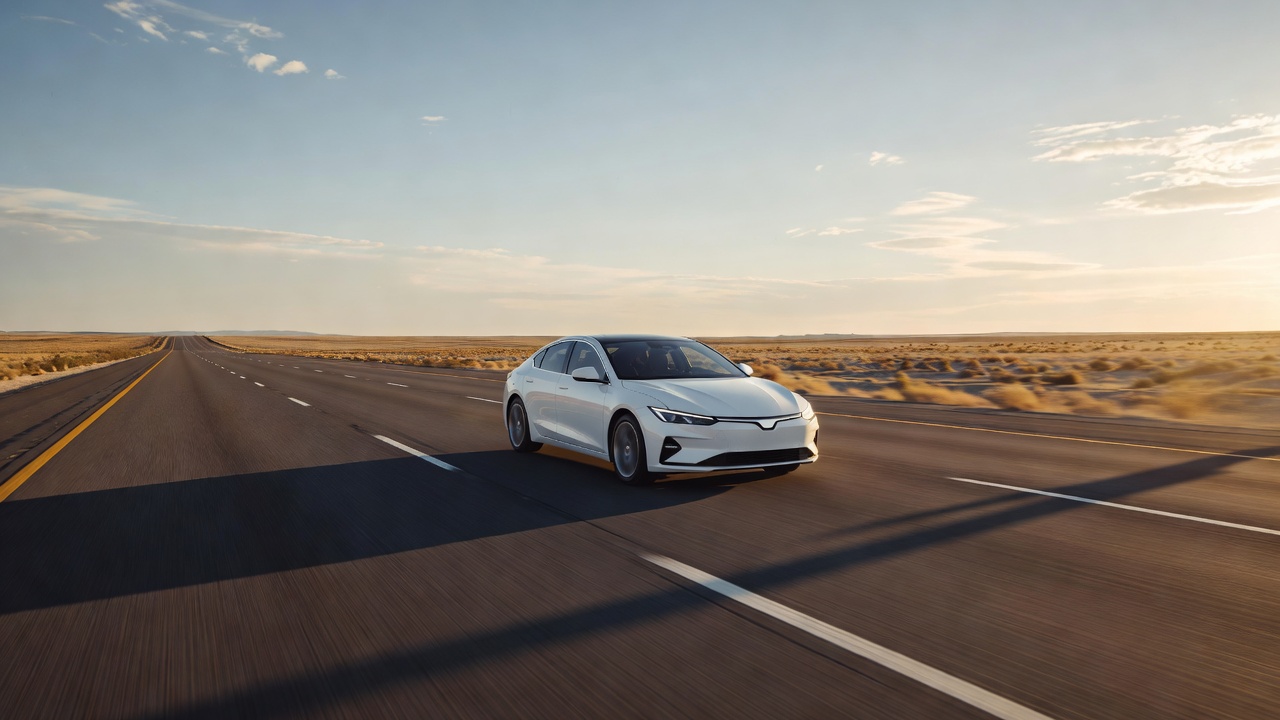
When measuring automotive impact, production volume is an undeniable metric. By that standard, the Toyota Corolla is the most successful vehicle in human history. With tens of millions of units sold globally since its introduction in 1966, the Corolla is the definitive answer to mass-market transportation needs. It trades track-focused dynamics for something arguably more impressive: uncompromising reliability, accessibility, and efficiency.
The Philosophy of Reliability
The Corolla’s reputation is not accidental; it is the direct result of the Toyota Production System (TPS). The engineering philosophy prioritizes highly proven, stress-tested components over unproven cutting-edge technology. When Toyota implements a new system—whether it’s a continuously variable transmission (CVT) or hybrid powertrain architecture—it has undergone extreme validation. This conservative approach is why Corollas frequently exceed several hundred thousand miles with only basic scheduled maintenance.
Modern Architecture: TNGA
Historically, the Corolla was often criticized by automotive enthusiasts for its floaty suspension and numb steering. The implementation of the Toyota New Global Architecture (TNGA) platform revolutionized the vehicle's driving dynamics. By increasing chassis rigidity and lowering the center of gravity, modern Corollas offer a composed, stable ride that punches above its price bracket. Multi-link rear suspensions have replaced older torsion-beam setups in many trims, resulting in a mature ride quality over broken pavement.
| Focus Area | Implementation | Consumer Benefit |
|---|---|---|
| Platform | TNGA (Toyota New Global Architecture) | Improved chassis stiffness and safety ratings |
| Powertrain | Naturally Aspirated 4-Cylinder & Hybrid options | Maximum durability, excellent fuel economy |
| Safety | Standard Toyota Safety Sense | Pre-collision, adaptive cruise on base models |
| Transmission | CVT / eCVT (Hybrid) | Smooth power delivery, optimized RPMs for MPG |
Hybrid Integration
Toyota's dominance in hybrid technology directly benefits the Corolla lineup. The Corolla Hybrid utilizes a downsized Atkinson-cycle engine paired with electric motors. Unlike plug-in hybrids that require a charging infrastructure, the Corolla’s traditional hybrid system recaptures energy through regenerative braking. This yields remarkable urban fuel efficiency figures without altering consumer behavior, making it a favorite among fleet operators and long-distance commuters alike.
Pros and Cons
Pros:
- Industry-leading historical reliability and low cost of ownership.
- Standard advanced active safety features across all price points.
- Exceptional fuel economy, particularly in hybrid variants.
- Strong resale value retention.
Cons:
- Base engines can feel underpowered during highway passing maneuvers.
- Interior materials in lower trims lean toward utilitarian plastics.
- Infotainment interfaces can feel dated compared to class leaders.
Verdict
The Toyota Corolla is the triumph of pragmatism. It does not exist to set Nürburgring lap times or win design awards at concours events. It exists to start every single morning, regardless of the weather, and transport its occupants safely and efficiently. In the landscape of automotive engineering, achieving that level of consistency at a mass-market price point is nothing short of a masterpiece.